Sugar and diet get a lot of the attention when it comes to liver health, but they’re not the only everyday factors that matter. Alcohol, common over-the-counter medications, and simple inactivity all play a quiet role in liver health, often without people realizing it.
Is Alcohol Really That Big a Factor?
Yes, and the amount that matters may be lower than people assume. Research indicates that hazardous alcohol drinking is one of the primary modifiable lifestyle factors affecting liver enzyme levels, alongside smoking, excess weight, and inactivity, according to a population-based study published in PMC. This matters for MASLD specifically too, since alcohol and metabolic liver disease can compound each other rather than acting as entirely separate risks.
Can Over-the-Counter Medication Actually Damage Your Liver?
Yes, and acetaminophen (found in Tylenol and many combination cold and pain products) is the clearest example. It’s the most common single cause of acute liver failure in the United States, and roughly half of these cases happen unintentionally, often from someone unknowingly combining multiple products that each contain acetaminophen, according to NIH’s StatPearls resource.
This isn’t a reason to avoid the medication entirely. It’s a reason to read labels carefully, especially when taking more than one over-the-counter product at a time, and to be extra cautious about combining it with alcohol.
Are Herbal Supplements Actually Safe for Your Liver?
Not automatically. “Natural” doesn’t mean risk-free where the liver is concerned. Certain herbal supplements can affect how the liver processes other medications, and some carry a direct risk of liver injury on their own. If you take any herbal or nutritional supplement regularly, it’s worth mentioning to your physician, even if it seems unrelated to liver health.
Does Sitting All Day Matter That Much?
More than most people expect. Physical inactivity is consistently identified as one of the core modifiable risk factors for abnormal liver function, independent of diet alone. Regular movement, not necessarily intense exercise, supports the same metabolic pathways that keep fat from accumulating in the liver in the first place.
What’s the Simplest Place to Start?
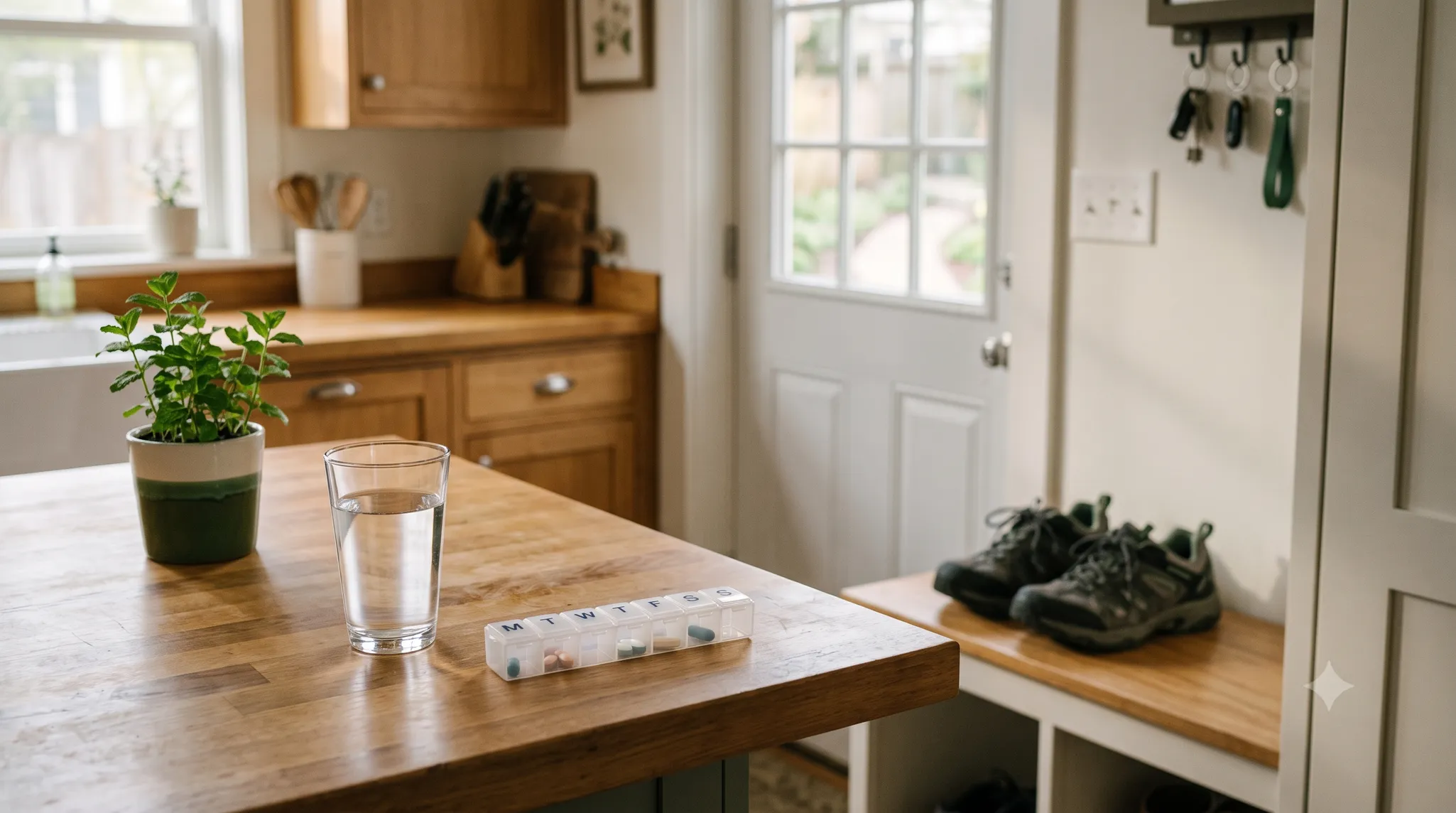
You don’t need to overhaul everything at once. A reasonable starting list looks like this:
- Check labels before combining multiple over-the-counter medications
- Mention any herbal or nutritional supplements to your physician
- Keep alcohol intake moderate and be honest with your care team about how much
- Build in regular movement, even short walks, rather than long stretches of sitting
If you’re wondering how your own liver health looks right now, our fatty liver screening page explains how an evaluation works.
Frequently Asked Questions
Is it safe to take acetaminophen regularly?
At recommended doses, it’s generally considered safe for most people. Risk increases when multiple products containing it are combined, or when it’s mixed with alcohol.
Are all herbal supplements risky for the liver?
Not all, but some are, and effects can vary by product and dose. It’s worth discussing any regular supplement use with your physician.
How much alcohol is actually a liver risk?
Risk exists on a spectrum rather than a single cutoff, and it can compound with other risk factors like excess weight. Your physician can help you think through what’s appropriate for your individual situation.
Is this article a substitute for medical advice?
No. This content is educational and general in nature, not medical advice. Talk with your physician about your individual habits and liver health.
References
- Acetaminophen Toxicity, StatPearls, NCBI Bookshelf/NIH
- Impacts of Unfavourable Lifestyle Factors on Biomarkers of Liver Function, PMC

Dr. Ralph Peterson brings more than 40 years of medical experience to MacArthur Gastroenterology, including over 30 years specializing in gastroenterology and internal medicine. For more than 12 years, his practice has focused on treating viral hepatitis, achieving a cure rate above 90% in Hepatitis B and C cases. He is a sought-after speaker and medical presenter on colorectal cancer and on the treatment and cure of Hepatitis B and C.
Dr. Peterson has served on the advisory boards of leading pharmaceutical companies, including Gilead, and is also Medical Director of uFirst Health Partners, a nonprofit organization dedicated to fatty liver disease awareness and education. He also leads research and development at NEXT2ME, LLC, where he invented the 1440 Vibrational Energetic Spray supplement line.
His work has taken him well beyond the clinic, including service as a medical team leader in Sierra Leone, evaluating medical needs across multiple provinces, and as a volunteer physician in Bohol, Philippines, training local providers in the treatment of gastrointestinal disease and hepatitis.
A former Master's Track & Field world record holder in the 4x100 relay, Dr. Peterson has been recognized by the American Cancer Society, 100 Black Men of America, 100 Black Men of the Bay Area, and the Alameda County Board of Supervisors for his outstanding service to men's health.
- Ralph L. Peterson, MD

- Ralph L. Peterson, MD

- Ralph L. Peterson, MD

- Ralph L. Peterson, MD